
If you have been looking for an Emergency First Aid or Standard First Aid course lately, you may have noticed something confusing: those names are disappearing. Canada’s first aid course names have been updated, and at The Academy for First Aid and Safety we now use the new names across all of our courses.
The good news: only the names changed. The skills, the certification, and the training itself are the same. What matters is booking the course your employer, school, or placement is actually asking for — and this guide will help you do exactly that.
All of our first aid and CPR training is in accordance with the new 2025 AHA Guidelines.
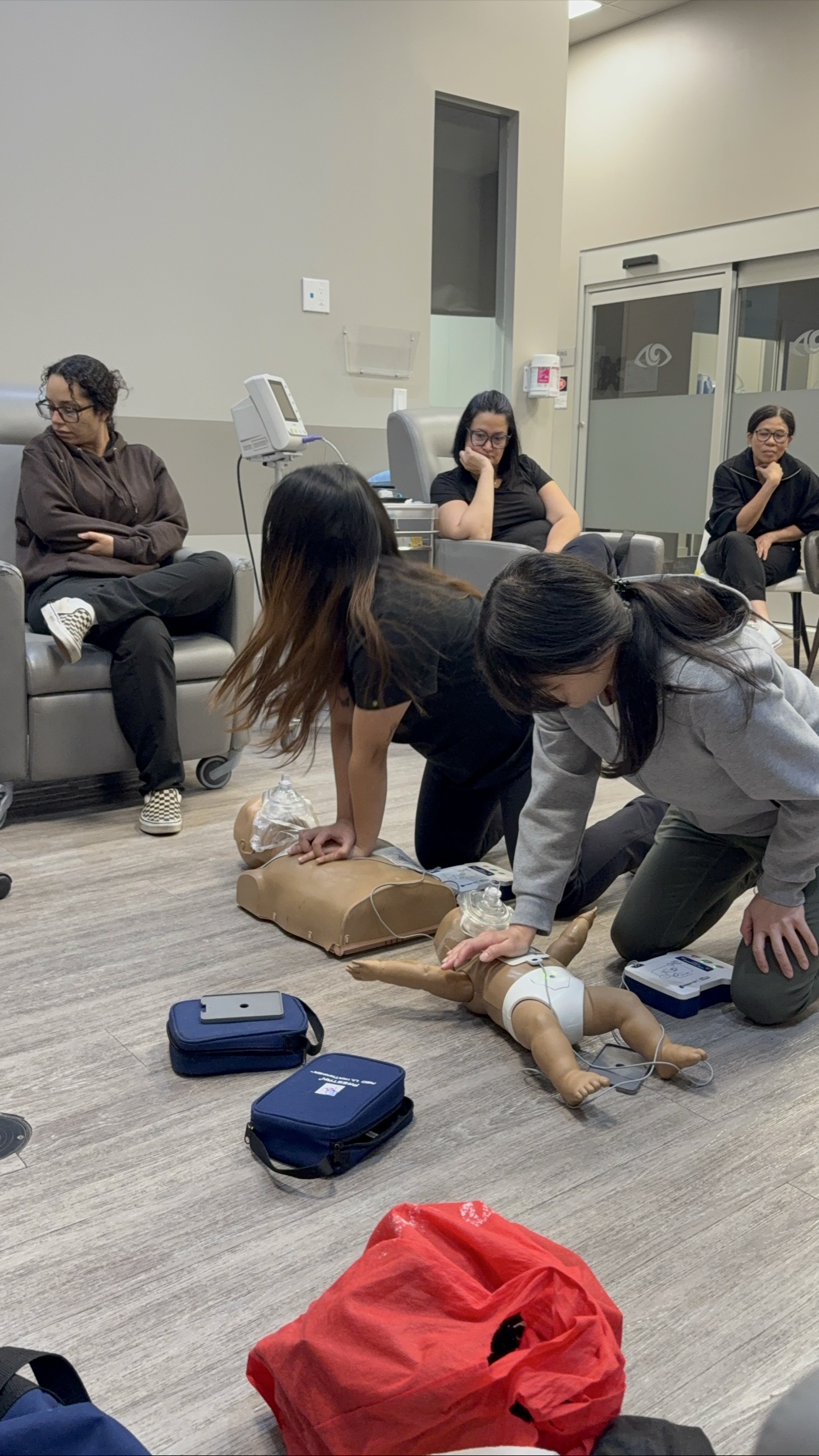
The name changes at a glance
- Emergency First Aid & CPR is now called Basic First Aid & CPR
- Standard First Aid & CPR is now called Intermediate First Aid & CPR
- Basic Life Support (BLS) — the name stays the same. A few years ago this course was known as Healthcare Provider (HCP), so if your employer or school asks for “HCP,” BLS is the course you need.
- CPR and AED — the name stays the same.
- Level C — stays the same, too. Level C means your CPR training covers adults, children, and babies (infants).
One important note about BLS: Basic Life Support is designed for healthcare professionals only — nurses, paramedics, dentists, doctors, respiratory therapists, and students in those programs. If you are not in healthcare, you almost certainly need CPR Level C or one of the first aid courses below instead.
What has NOT changed
- Your certificate is still valid for 3 years
- The hands-on skills taught are the same skills employers and schools have always required
- Courses are still offered in a blended format — online learning at your own pace, plus one in-class skills session
- Certificates are issued on the spot at the end of your class
- Classes run across Toronto, North York, Scarborough, Mississauga, Brampton, Hamilton, and Barrie
So if a job posting says “Standard First Aid required,” book Intermediate First Aid. If it says “Emergency First Aid,” book Basic First Aid. Same courses — new labels.
Course breakdown: what you actually learn
1. CPR Level C (CPR and AED) — $54.99 + HST
Our CPR and AED course focuses purely on resuscitation skills for adults, children, and infants:
- Recognizing an emergency and checking responsiveness
- The chain of survival — and your role in it
- Activating emergency services (calling 911 and sending for an AED)
- High-quality chest compressions for adults, children, and infants
- Rescue breathing with a barrier device and pocket mask
- How to use an AED on adults and children, including pediatric pad placement
- Choking relief for adults, children, and infants
- The recovery position
- Working with a second rescuer
- Naloxone (Narcan) awareness for opioid emergencies — harm reduction training is included in all of our courses
Best for: anyone who needs CPR certification only — many workplaces, coaches, fitness staff, parents, and caregivers.
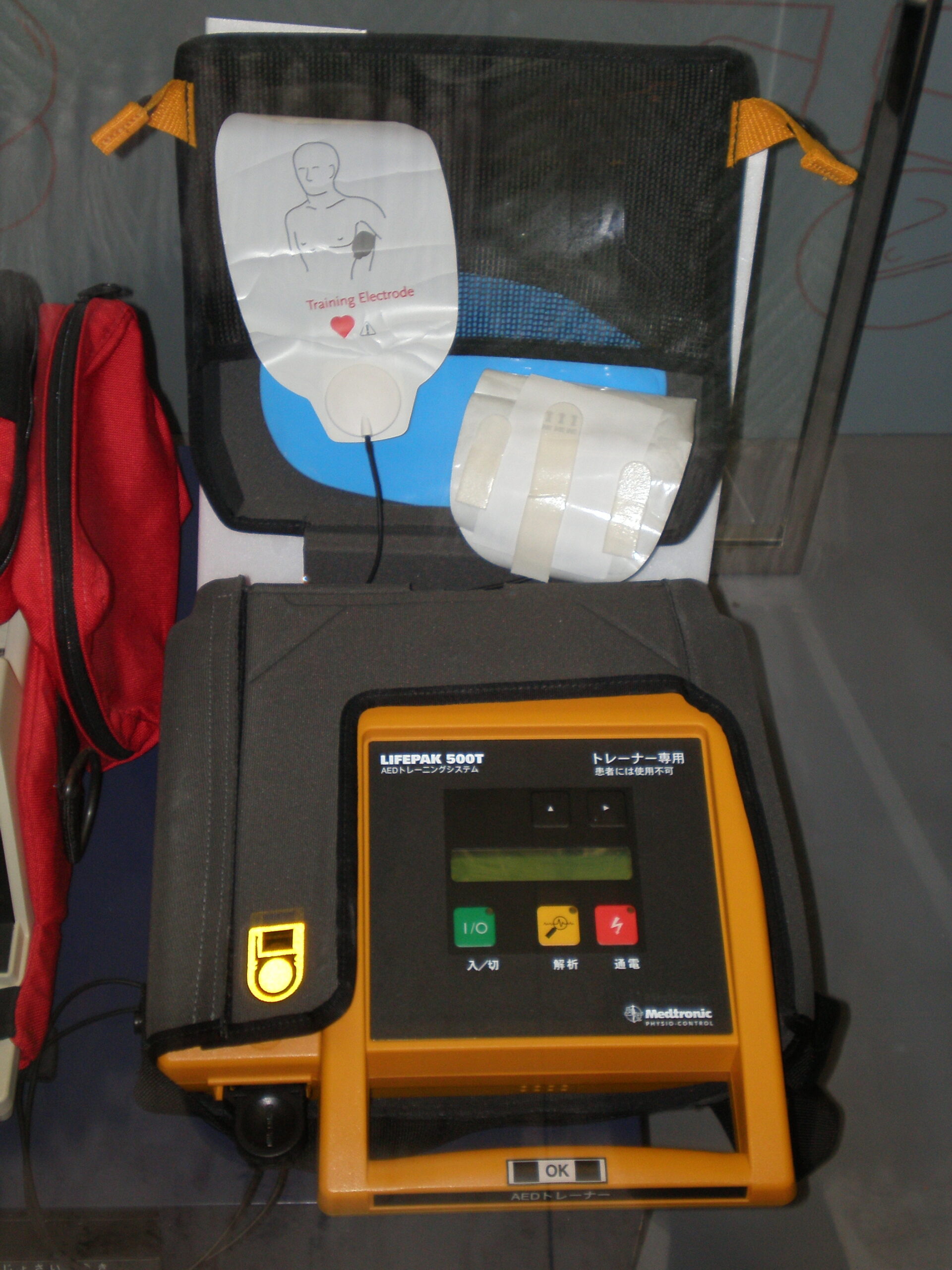
2. Basic First Aid & CPR Level C — formerly Emergency First Aid — $74.99 + HST
Basic First Aid includes everything in CPR Level C, plus the essential first aid skills for the emergencies you are most likely to face:
- The role of the first aider and emergency scene management
- Shock, fainting, and unconsciousness
- Choking for all ages (adult, child, infant)
- Severe (deadly) bleeding control and wound care, including bandaging
- Heart attack and stroke recognition
- Asthma and breathing emergencies
- Allergic reactions and anaphylaxis — including EpiPen use
- Seizures and diabetic emergencies
- Burn care basics
- Poisoning awareness and opioid overdose response (naloxone)
Best for: workplaces, schools, and placements that ask for “Emergency First Aid” — this is that course under its new name. It is the shorter of the two first aid courses.
3. Intermediate First Aid & CPR Level C — formerly Standard First Aid — $114.99 + HST
Intermediate is our most complete course. It includes everything in Basic First Aid, and goes much deeper, covering all 17 core chapters:
- Introduction to first aid
- Emergency scene management
- Shock and fainting
- Head, neck, and spine injuries
- CPR and AED
- Deadly bleeding
- Wound management
- Bites and stings
- Burn management
- Medical emergencies
- Secondary survey
- Poisoning emergencies
- Environmental emergencies (heat and cold illness)
- Eye injuries
- Chest injuries
- Musculoskeletal injuries — fractures, sprains, strains, and splinting
- Course summary and review
It runs in our blended format — online learning plus an in-class skills session — and your certificate is valid for 3 years.
Best for: anyone whose job or program asks for “Standard First Aid” — including security, construction, camps, childcare, personal support worker (PSW) and other health programs, and workplaces that require the full certification.
Quick answers
My job posting says “Standard First Aid.” Which course do I book?
Book Intermediate First Aid & CPR Level C — it is the same course, renamed.
My employer asked for “Emergency First Aid.” Which course do I book?
Book Basic First Aid & CPR Level C.
I was told I need “HCP.” What is that?
HCP (Healthcare Provider) is the old name for Basic Life Support (BLS) — the course for healthcare professionals.
Does Level C include babies?
Yes. Level C covers adults, children, and infants — that part has not changed.
Is my existing certificate still valid?
Yes. Certificates issued under the old names remain valid until their printed expiry date (3 years from issue).
Ready to book?
Classes run every week across the GTA and Hamilton, in blended format — start the online portion today and finish with one hands-on session.
Register here: https://www.academyfor1staid.ca/register-for-a-course
Use promo code SAVE-TEN for 10% off!
Questions? Call us at 1-877-659-3215.
[…] Course names changed recently — Emergency First Aid is now Basic First Aid, and Standard First Aid is now Intermediate First Aid. Our guide breaks down the changes and what each course covers: First Aid Course Names Have Changed […]