
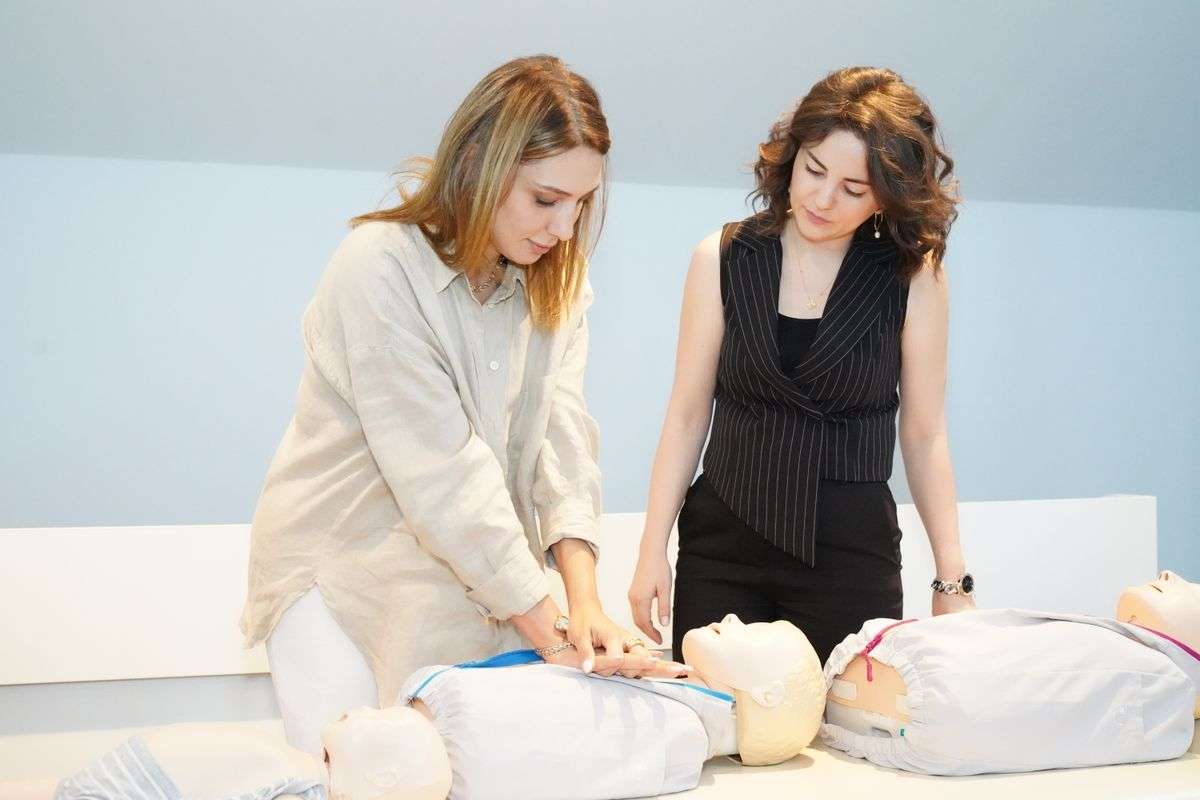
BLS vs CPR is one of the most common questions our students ask before they book. At first, the two courses sound almost the same, because both teach you how to respond when someone’s heart stops. However, they are built for different people and different jobs. Therefore, the right choice depends on what your employer or school asks for. If you work in healthcare, start with BLS (Basic Life Support) training. Otherwise, CPR Level C is usually the right fit.
BLS vs CPR: the short answer
First, here is the simple version. CPR Level C teaches everyday responders to perform CPR and use an AED confidently. In contrast, BLS teaches healthcare providers the same core skills at a clinical, team-based level.
Finally, check the exact wording on your job posting or school letter. If it says BLS or Basic Life Support, book BLS. If it says CPR Level C, book CPR. When it lists both, BLS is the higher-level option.
What CPR Level C covers
CPR Level C covers CPR and AED skills for everyday emergencies. For example, you learn how to recognize a cardiac emergency, call for help, and start chest compressions quickly. You also practise rescue breathing and choking relief for adults, children, and infants.
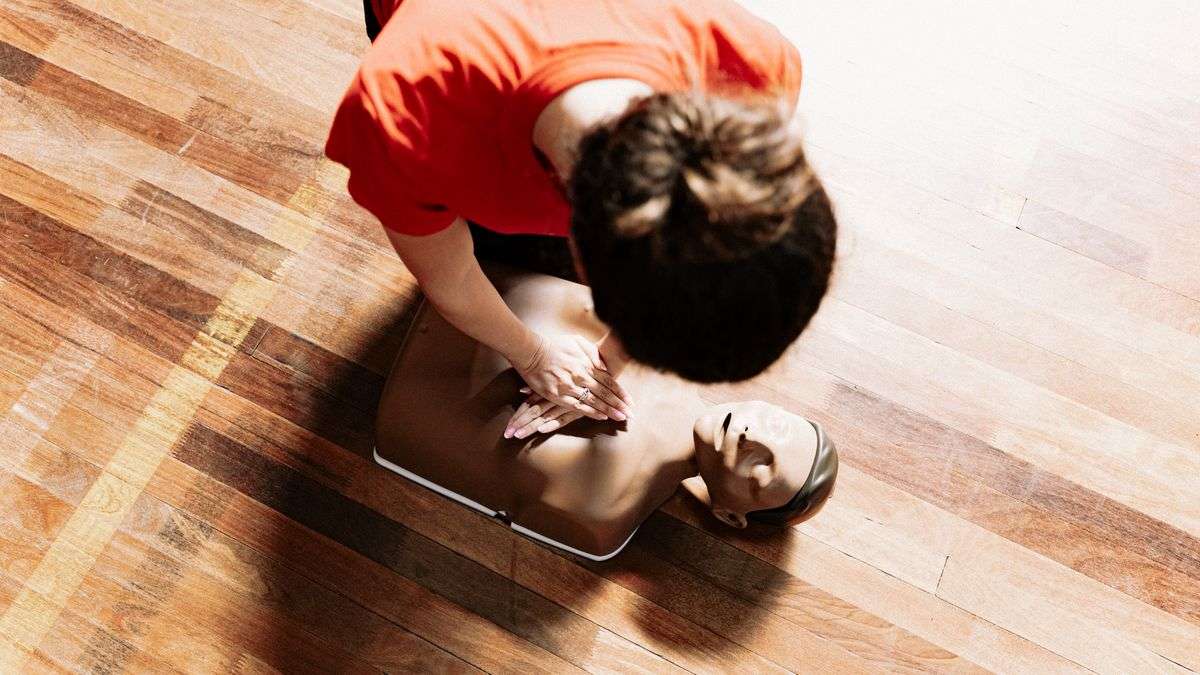
In addition, you practise with an automated external defibrillator, or AED, until the steps feel natural. As a result, you leave ready to act at work, at home, or at a sports field while help is on the way.
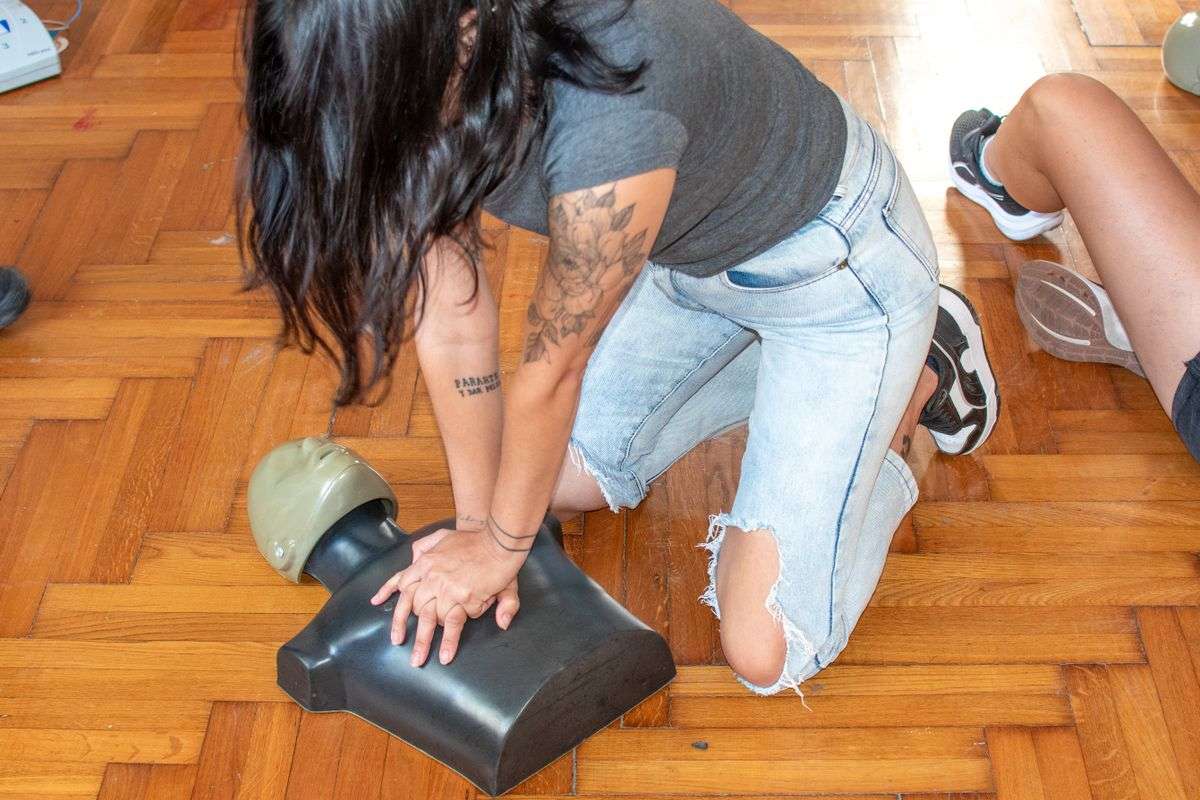
Moreover, our CPR classes are hands-on from the start. You practise on training manikins and repeat each skill until you can do it without hesitation. See our CPR Level C course page for details and dates.
What BLS adds on top of CPR
BLS builds directly on those CPR skills, but it goes further. BLS focuses more on advanced first aid skills and high-performance CPR and AED. Therefore, the pace is faster, and the standards are more exact.
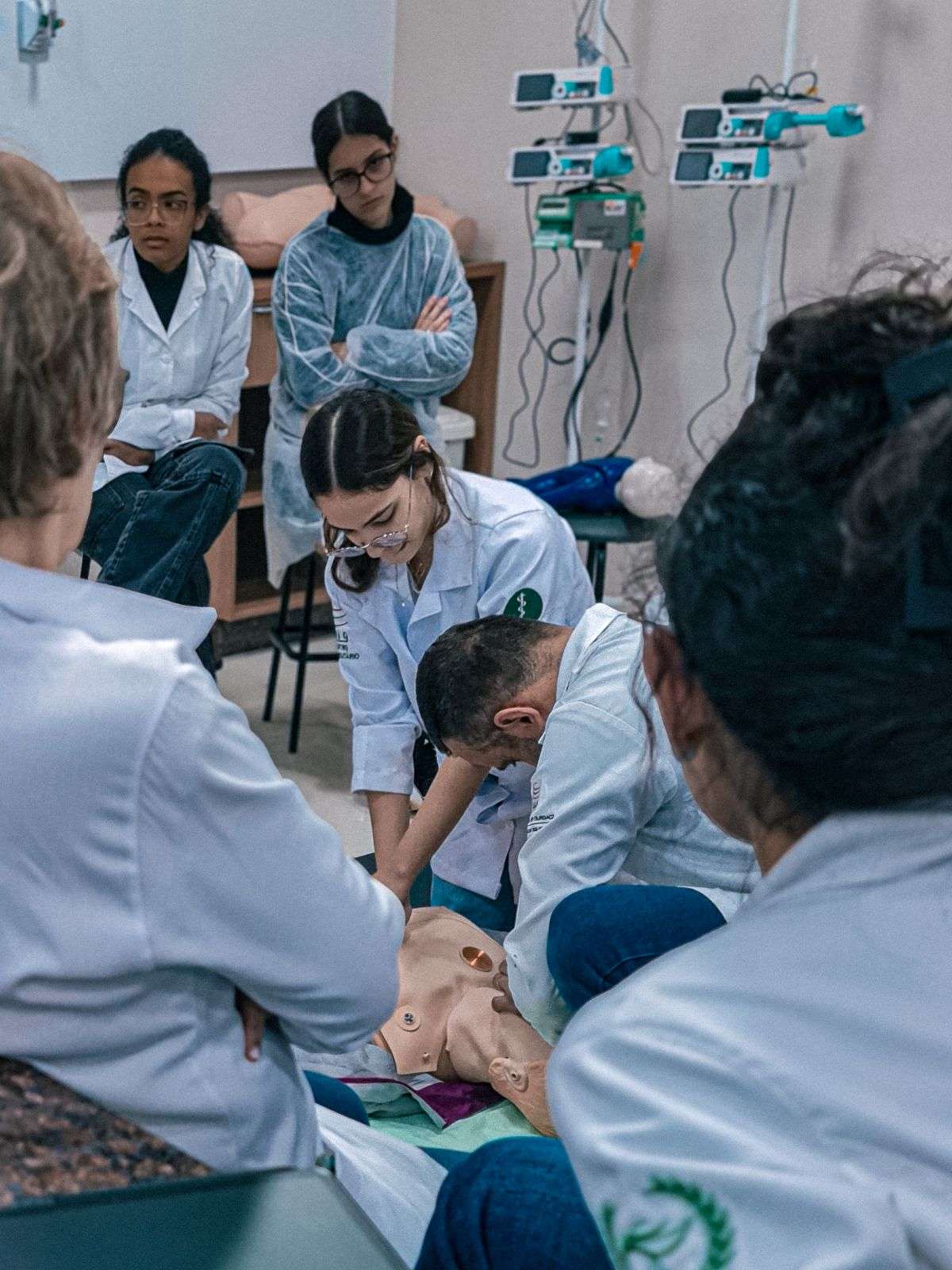
For example, BLS students practise two-rescuer CPR, team roles, and clear communication during a response. They also work with bag-valve masks and practise switching compressors with almost no pause.
Furthermore, BLS is designed for people who respond as part of a team, often in hospitals, clinics, and long-term care homes. Our BLS (Basic Life Support) training page lists what the course covers.
Who needs CPR Level C?
First, many workplaces ask staff for CPR Level C as a basic safety requirement. Office teams, warehouse staff, and customer-facing workers often fall into this group.
Next, coaches often need CPR Level C, because they are responsible for players during games. Similarly, parents take CPR Level C so they can respond if a family member is in trouble at home.
In short, CPR Level C suits the general public. If your requirement simply says CPR, and you do not work in healthcare, this is almost always the course you need.
Who needs BLS?
First, nurses and other regulated healthcare providers usually need BLS, because their employers and colleges ask for it by name. Next, healthcare students often need BLS before a clinical placement, so they should book early and keep the certificate current.
In addition, dental staff and other providers who respond as part of a team may need BLS. However, requirements vary by employer, so always confirm the exact name on your letter before you book.
Meanwhile, if you are renewing, check your expiry date first. BLS is valid for 12 months, so most healthcare workers renew it every year.
BLS vs CPR: price, validity and class details compared
Price is simple here, because both courses cost the same. CPR Level C costs $62.99 plus HST, and BLS also costs $62.99 plus HST. Therefore, price should not decide this choice — your job or school requirement should.
Validity is also the same on its own. Standalone CPR Level C is valid for 12 months, and BLS is valid for 12 months. As a result, both groups renew yearly.
However, there is one important exception. When CPR Level C is bundled with a first aid certificate, it follows that certificate’s 3-year validity instead. So, a first aid course can be the better value if you need both skills.
Both courses include hands-on AED practice and hands-on neffy (epinephrine nasal spray) training. Certificates are issued right away at the end of class, on the same day.
What if you need first aid as well?
Sometimes, neither standalone course is the full answer. For example, many jobs ask for first aid and CPR together. In that case, a combined course also covers bleeding, burns, and allergic reactions.
Our Emergency First Aid and CPR Level C (Basic) course costs $84.99 plus HST and is valid for 3 years. Our Standard First Aid and CPR Level C (Intermediate) course costs $114.99 plus HST, is also valid for 3 years, and covers more topics in greater depth.
Therefore, read your requirement carefully before you choose. If it says first aid, book a first aid course. If it says only CPR or only BLS, book that standalone course instead.
How to choose in two minutes
Step 1: read the exact words
First, find the exact certification name in your job posting or school handbook. Names matter here, because CPR and BLS certificates are not interchangeable.
Step 2: match it to your role
Next, match the name to your role. Healthcare role or healthcare program usually means BLS. Workplace, coaching, or family safety usually means CPR Level C.
Step 3: book early and keep it current
Finally, book before your start date or placement, not after it. Classes run in Toronto, Scarborough, Mississauga, Brampton, Barrie, Hamilton, and Kitchener-Waterloo.
Book the right certification today
Ready to book? Register for a course online and choose BLS or CPR Level C, plus the date and city that suit you.
Still unsure? Call 905-884-6036 (accepts 24/7 SMS) and tell us what your employer or school asked for. We will point you to the right course in minutes.
Use promo code SAVE-TEN for 10 percent off
The Academy for First Aid and Safety
www.academyfor1staid.ca
Frequently asked questions about BLS vs CPR
What is the main difference in BLS vs CPR?
CPR Level C teaches CPR and AED skills for everyday emergencies for the general public. BLS is healthcare-level training that focuses more on advanced first aid skills and high-performance CPR and AED, practised as part of a team.
Who should take BLS instead of CPR Level C?
Nurses, healthcare students, and providers who respond as part of a team should take BLS, especially when an employer, a college, or a placement letter asks for BLS or Basic Life Support by name.
How long are BLS and CPR Level C valid?
Standalone CPR Level C is valid for 12 months, and BLS is valid for 12 months. When CPR is bundled with a first aid certificate, it follows that certificate’s 3-year validity.
How much do BLS and CPR Level C cost?
Both cost $62.99 plus HST at the Academy. Certificates are issued right away at the end of class, on the same day.
How do I register for BLS or CPR Level C?
Register at https://www.academyfor1staid.ca/register-for-a-course or call 905-884-6036 (accepts 24/7 SMS). Use promo code SAVE-TEN for 10 percent off.
Related reading: How to Get CPR Certified: Steps, Cost and How Long It Takes
[…] Related reading: BLS vs CPR — Which Certification Do You Actually Need? […]