
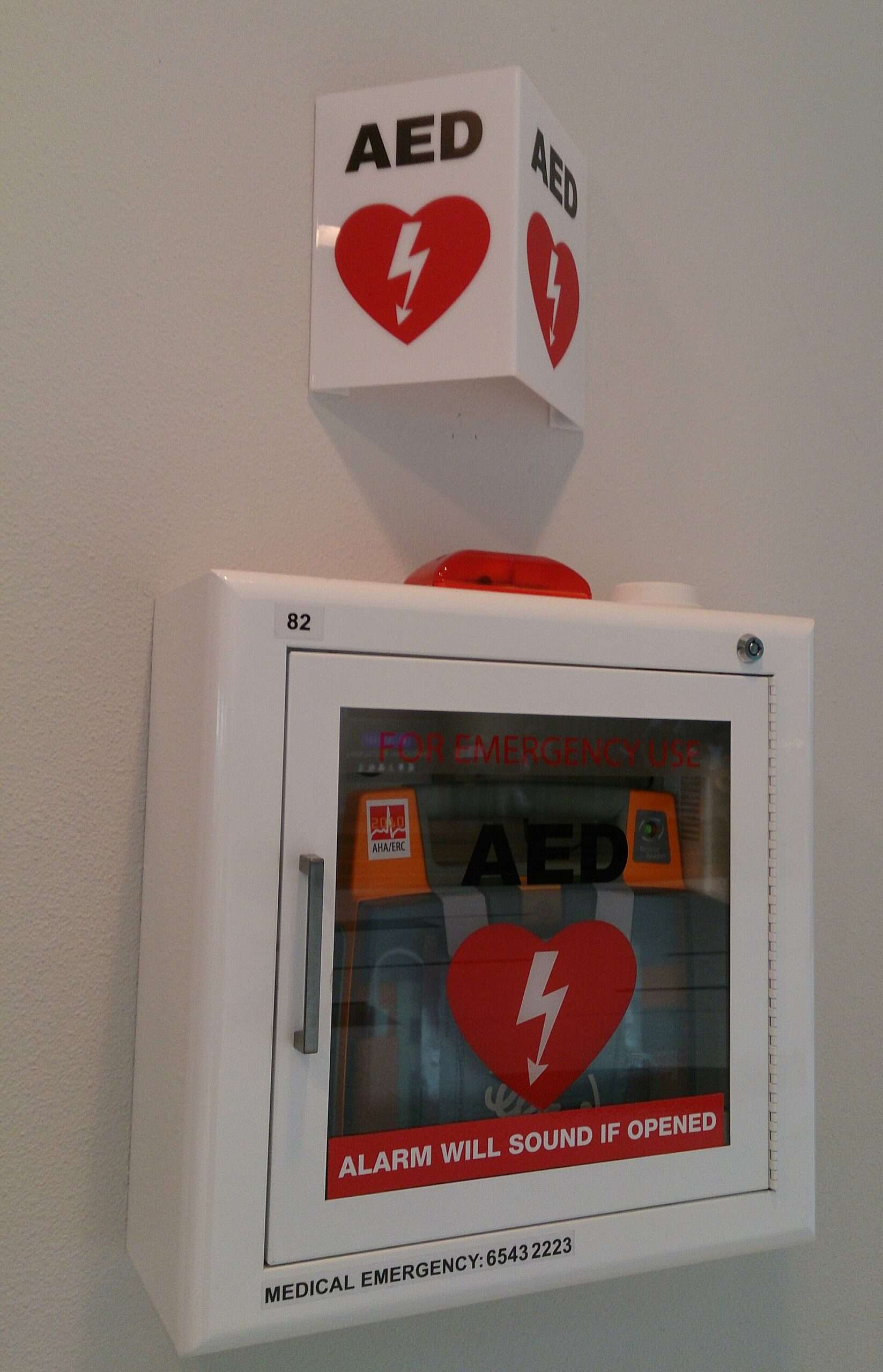

There is an aed subsidy Ontario construction sites can claim — and it can put up to $2,500 per project back in your budget. Since January 1, 2026, larger construction projects in Ontario must have an automated external defibrillator (AED) on site. What gets less attention is the reimbursement program the province created to offset the purchase price. This post explains what an AED actually costs a site, who qualifies for the money, and how to claim it before the window closes.
If you need the full legal requirement first, read our companion guide on what O. Reg. 157/25 requires on Ontario construction sites. This post is about the money side: paying for compliance without paying more than you have to.

The AED subsidy Ontario construction managers can claim
The reimbursement is set out in Ontario Regulation 360/25: Reimbursement for Defibrillators, made under the Occupational Health and Safety Act. In plain language:
- Up to $2,500 back toward the cost of a defibrillator
- One defibrillator per project — run three qualifying projects, and each one can have its own claim
- It covers the initial purchase cost of the device
- It does not cover worker training or ongoing AED maintenance — the Ontario government’s own guidance on AEDs on construction projects says so directly
When the province announced the plan in 2025, it put the average cost of one AED at about $2,300 — so for a typical unit, the subsidy can offset most of the device price itself. What it does not erase is everything around the device: the accessory kit, signage, replacement pads and batteries, and crew training. Budget for the device with the subsidy in mind, and separately for staying compliant after day one.
Who qualifies for the AED reimbursement?
Your claim has to line up with the same project thresholds that trigger the AED requirement in the first place. Under O. Reg. 157/25, which added section 27.1 to the construction projects regulation, an AED is required when:
- 20 or more workers are regularly employed at the project, and
- The project is expected to last 3 months or longer
The regulation took effect on January 1, 2026, and it does not apply to projects expected to last less than three months. If both thresholds are met, the constructor must install and maintain an AED — and that is the project that can support a reimbursement claim.
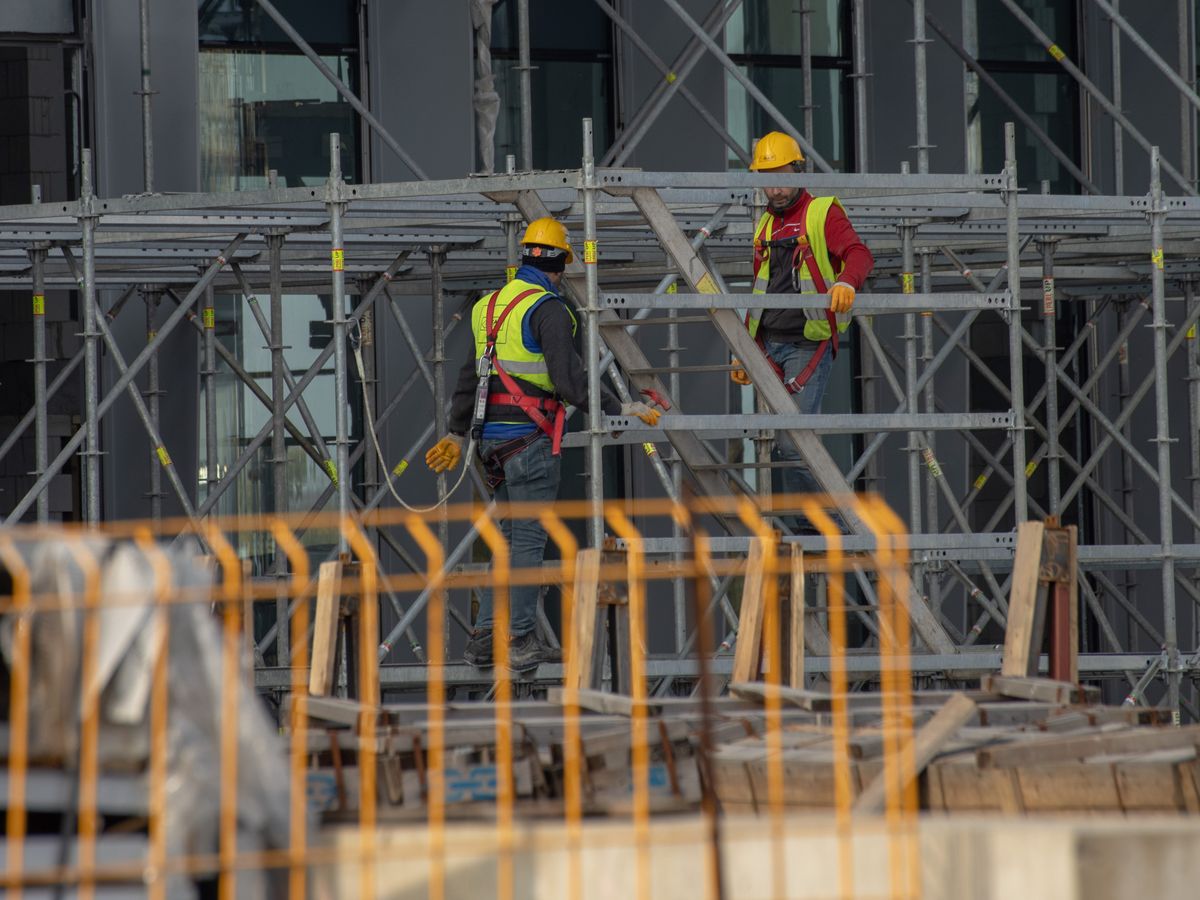
What a compliant AED setup actually includes
The subsidy reimburses a defibrillator, but inspectors check the whole setup. A compliant site needs:
- An AED licensed as a medical device by Health Canada
- The kit stored with it: 1 CPR mask, 1 pair of scissors, 2 pairs of disposable medical-grade gloves, 1 disposable razor, 1 garbage bag, and 4 absorbent towels, maintained and replenished as needed
- Storage that keeps everything together, protected from dust, moisture, and site contaminants, unobstructed and easy to reach — and, outdoors, protected from extreme temperatures, moisture, and direct sunlight
- Signs with the heart-and-lightning-bolt symbol and the words “Automated External Defibrillator” or “AED,” posted beside the device and at other locations around the project
- Maintenance and testing following the manufacturer’s instructions, plus an inspection at least every 3 months by a competent worker, with a signed, dated record kept with the AED
- A worker trained in CPR and AED operation present whenever work is in progress
That last point is the one money cannot shortcut: the device can be subsidized, but a trained person has to be on site for every shift.
How to claim the subsidy: dates and documents
Regulation 360/25 sets three hard dates. Miss one and the claim is gone:
- Purchase window: the defibrillator must be purchased on or after July 1, 2025 and no later than June 30, 2027
- Application deadline: the application must be submitted no later than July 31, 2027
- Cap: a maximum of $2,500 for one defibrillator per project
With your application, be ready to provide:
- Proof of purchase of the defibrillator, in the form the program specifies — keep the receipt or invoice from day one
- For projects covered by the AED rule, a copy of the approved notification form filed for the project, or the project number the Ministry assigned to it
Site-manager compliance checklist
Use this list before an inspector ever asks:

- ☐ Project counted: 20+ workers regularly employed, and 3+ months expected duration?
- ☐ Health Canada-licensed AED purchased — inside the July 1, 2025 to June 30, 2027 window?
- ☐ Full accessory kit stored with the AED and checked for missing or expired items?
- ☐ AED location signed at the device and around the site, stored protected and easy to reach?
- ☐ Quarterly inspections scheduled, with signed records kept with the AED?
- ☐ At least one CPR/AED-trained worker on every shift — including vacations, sick days, and shift changes?
- ☐ Receipt and project notification form saved for the reimbursement claim, well before July 31, 2027?
Training is not subsidized — so plan it like you mean it
Because the program does not reimburse training, some companies are tempted to train the minimum one worker per shift. That leaves no backup. Crews change, people call in sick, and cardiac arrest does not wait for the one trained worker to come back from lunch.
Our courses are aligned with the 2025 AHA guidelines, and every student practises hands-on with CPR mannequins and AED trainers. For construction crews, the practical options are:

- CPR Level C & AED — $54.99 + HST. The direct match for the regulation’s “trained in CPR and defibrillator operation” requirement. Certificates valid 3 years.
- Basic First Aid & CPR Level C — $74.99 + HST. CPR and AED plus everyday job-site first aid: bleeding, wounds, heart attack and stroke recognition, and allergic reactions. Certificates valid 3 years.
- Intermediate First Aid & CPR Level C — $114.99 + HST. The full first aid curriculum for sites that want designated first aiders, not just CPR coverage. Certificates valid 3 years.
Planning a crew booking? See our group training for employers or register individuals online. Questions about dates or on-site group sessions: call
Get the device subsidized — and the crew trained
The AED subsidy for Ontario construction projects makes compliance cheaper than most site managers expect: buy a licensed AED for a qualifying project, keep your receipt and project paperwork, and claim up to $2,500 back before the deadlines pass. Then close the gap the subsidy does not cover — trained people on every shift.
Register for a course or call 905-884-6036 (Toll-free: 1-877-659-3215) to book your crew.
Use promo code SAVE-TEN for 10 percent off
The Academy for First Aid and Safety
www.academyfor1staid.ca