
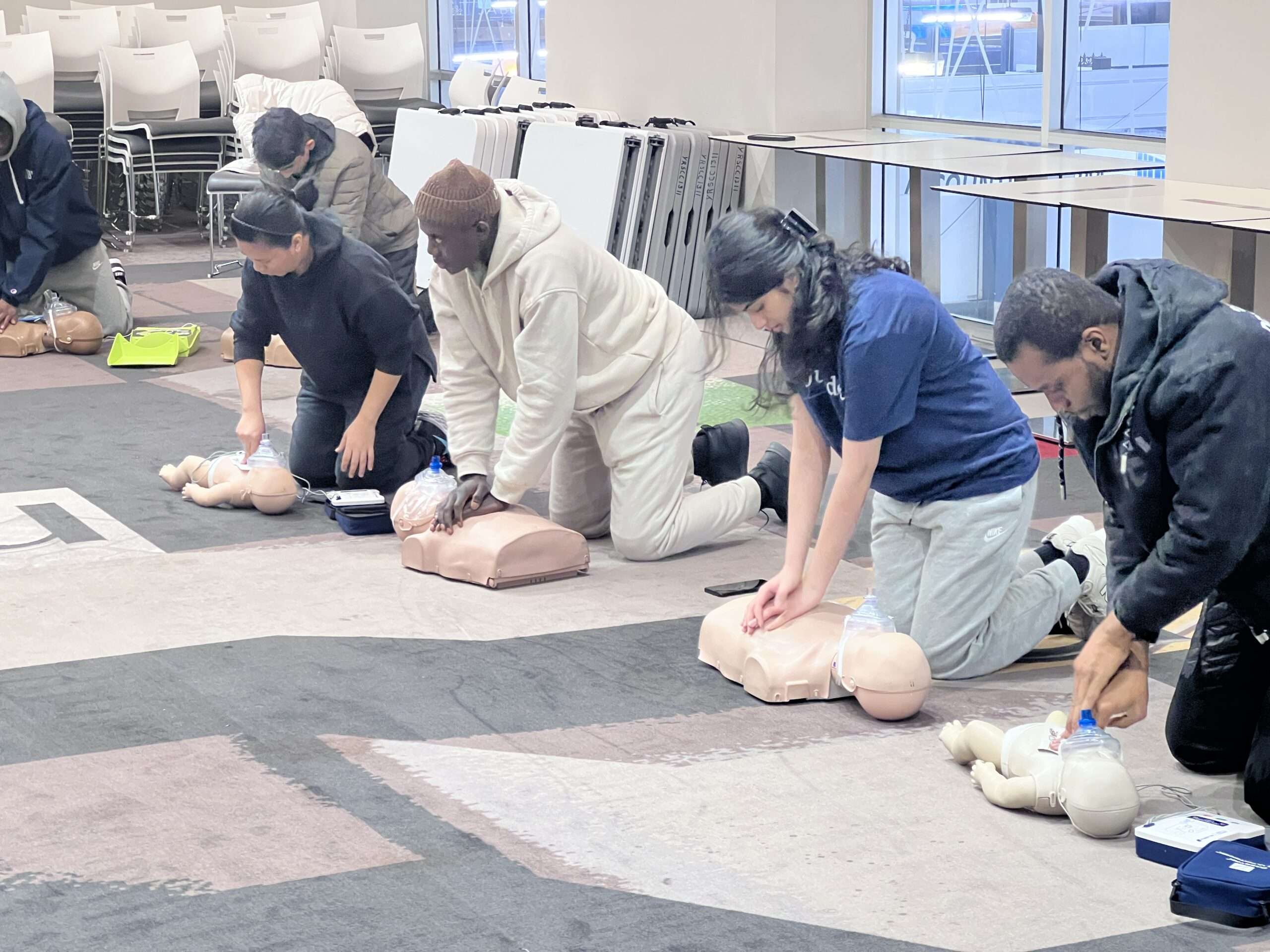
If you work as a guard in Ontario, the first aid and CPR requirements for Ontario security guards are not optional paperwork. It is mandatory for all security guards to hold valid first aid and CPR certification while on duty, and to maintain their security guard licence. This guide explains the minimum course you need, the stronger course we recommend, what the training covers, and why those skills matter on every shift.

First aid and CPR requirements for Ontario security guards at a glance
Every guard on duty must carry current, valid first aid and CPR certification. An expired certificate does not meet the requirement, even if you completed the training in the past. Keeping your certification valid is part of keeping your security guard licence in good standing and staying employable for the posts and sites you want.
Employers and client sites check certificate dates. If yours has lapsed, you can be taken off a schedule until you retrain, and a new employer can pass over your application for a guard whose paperwork is ready. Planning your course before your expiry date protects your shifts.
The minimum requirement: Emergency First Aid and CPR Level C (Basic)
The minimum requirement is Emergency First Aid and CPR Level C (Basic). At The Academy for First Aid and Safety it costs $84.99 plus HST, and the certificate is valid for 3 years. The course covers essential first aid, CPR for adults, children, and infants, and AED training.
See our Emergency First Aid and CPR Level C (Basic) course page for full course details and upcoming dates.
Emergency First Aid and Basic First Aid are the same course under two names, so if a job posting asks for either name, this is the course it means.
Recommended: Standard First Aid and CPR Level C (Intermediate)
Standard First Aid and CPR Level C (Intermediate) is recommended for security guards. It costs $114.99 plus HST at the Academy, and the certificate is also valid for 3 years. Standard First Aid and Intermediate First Aid are the same course under two names.
The training is more in-depth than the minimum course, with broader coverage of injuries, medical emergencies, and scene management. That makes it the stronger choice for guards who are first on scene and may need to manage an emergency for several minutes before paramedics arrive. Many employers also prefer it by name, so it can open more postings.
See our Standard First Aid and CPR Level C (Intermediate) course page to compare what each course includes.
Why first aid and CPR matter while you are on duty
Security guards are typically first on scene at medical emergencies, overdoses, injuries, and incidents in malls, condos, events, and work sites. You are the visible, nearby person people turn to first, and you are usually already there when something happens — not minutes away.
Minutes matter before paramedics arrive
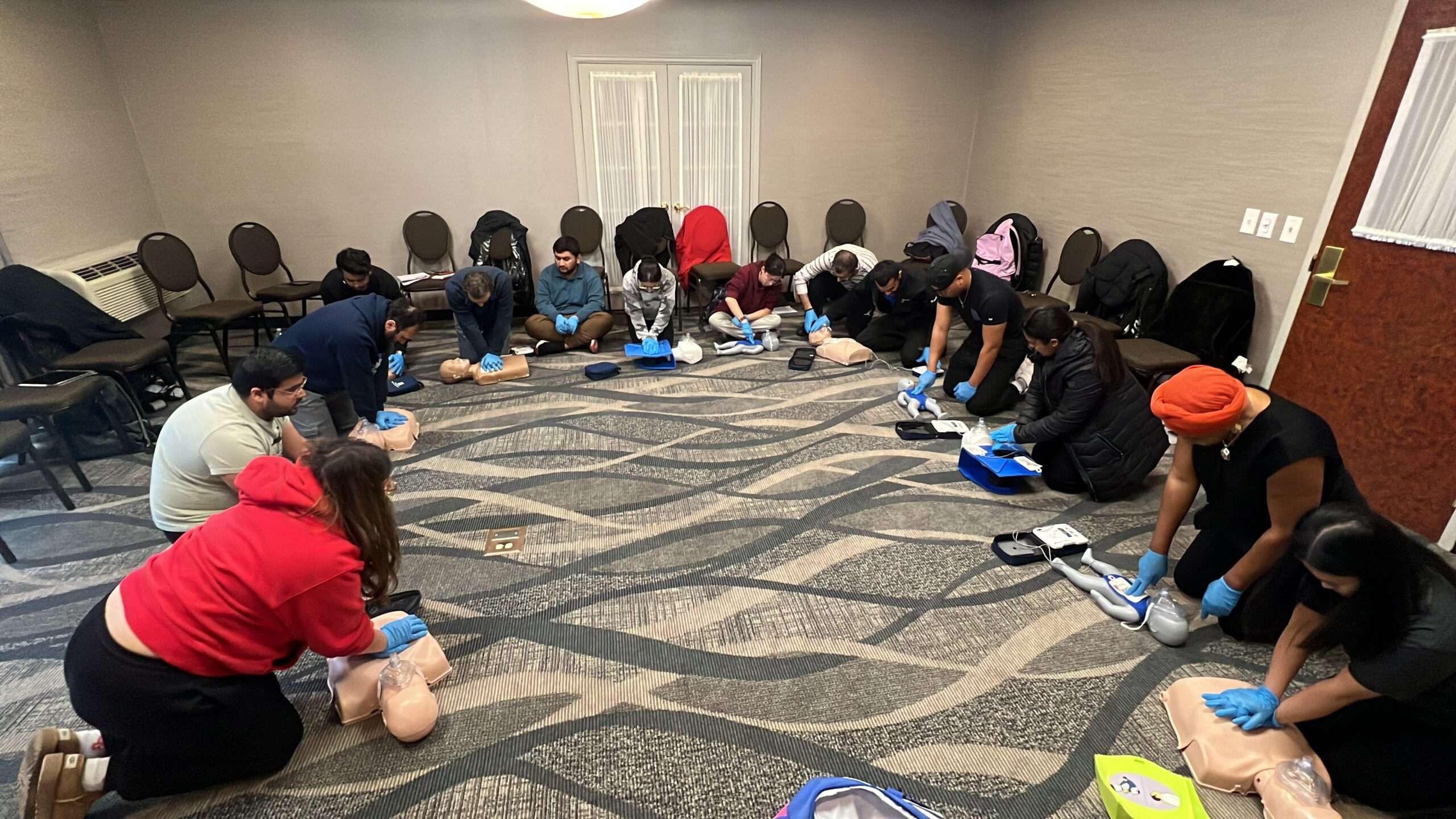
When a person collapses, stops breathing, is choking, is bleeding heavily, or has overdosed, the minutes before paramedics arrive decide the outcome. Starting CPR right away, using an AED, giving naloxone for a suspected opioid overdose, controlling bleeding, and giving clear information to dispatchers and responders are actions a trained guard can take immediately.
It keeps you employable and your licence in good standing
A valid certificate also keeps you employable and your licence in good standing. Sites with strict safety requirements, including condos, malls, campuses, and industrial sites, expect guards to be ready for medical incidents, not just security incidents. Current certification shows an employer you can be placed with confidence.
What Academy training covers
Our training aligns with the 2025 AHA guidelines which sets the standard in North America for first aid and CPR training. All of the Academy’s courses include AED training and naloxone training. In class, you practise:

- Checking a scene for hazards and checking an unresponsive person
- Recognising cardiac arrest and starting high-quality chest compressions
- Using an AED quickly and correctly for adults, children, and infants
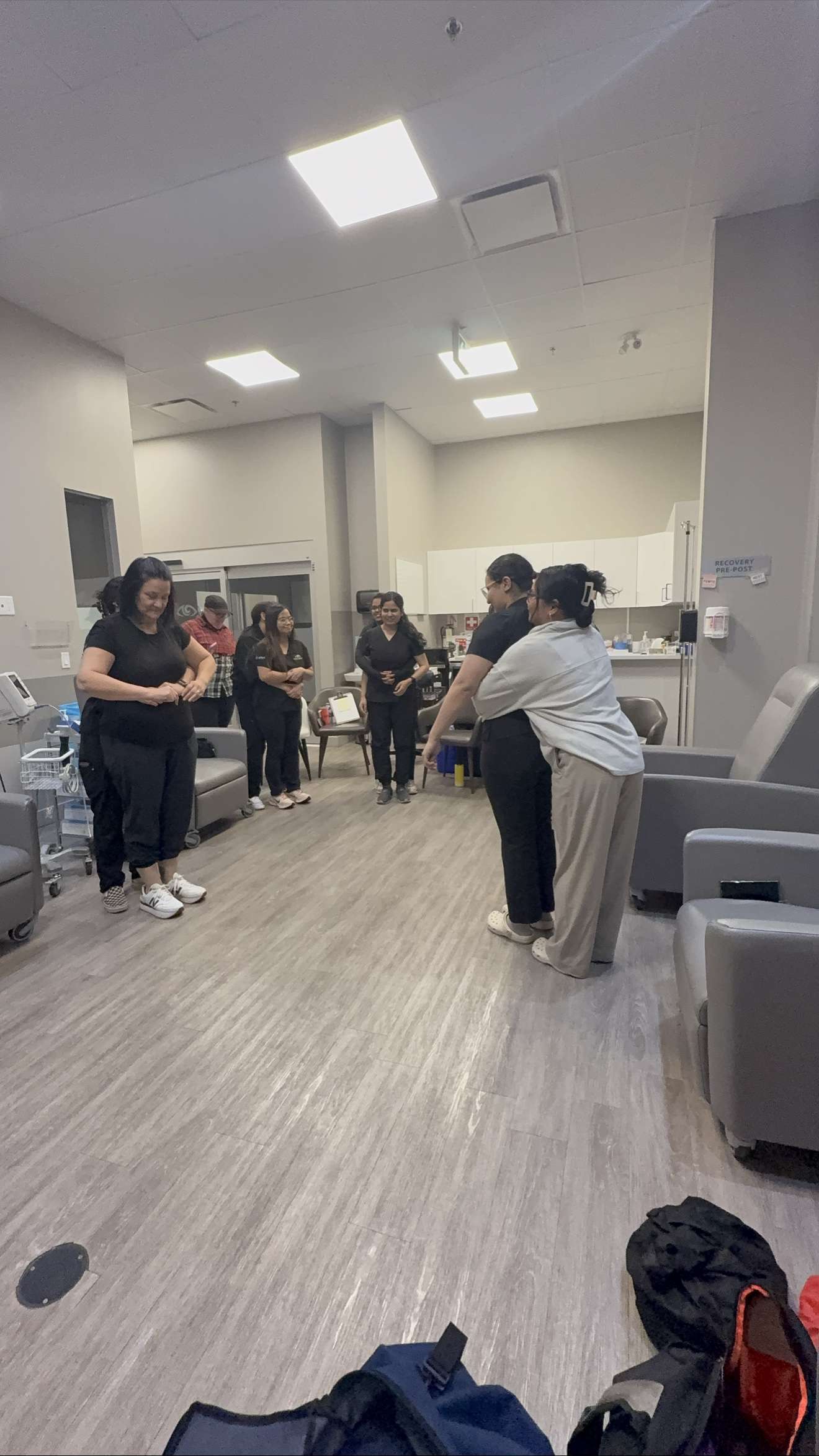
- CPR for adults, children, and infants, and relieving choking
- Responding to a suspected opioid overdose, including naloxone training
- Caring for bleeding, wounds, and shock while help is on the way
- Head, neck, and spinal concerns, and bone, muscle, and joint injuries
- Communicating clearly with dispatchers, site staff, and paramedics
Training is hands-on, so you practise each skill instead of only watching it. Certificates are issued right away at the end of the class, on the same day, after the course is completed — you leave with proof in hand for your employer and your licence file.
If a posting asks for CPR on its own, CPR Level C costs $62.99 plus HST. BLS also costs $62.99 plus HST and is mainly for healthcare workers and students; most guard postings ask for first aid and CPR Level C, as above.
Where Ontario security guards can train
The Academy for First Aid and Safety runs classes in Toronto, Scarborough, Mississauga, Brampton, Hamilton, and Barrie, so you can train near home or near your post. Group training is also available for security companies that need several guards certified together.
Book the course that keeps you on duty
Choose Emergency First Aid and CPR Level C (Basic) to meet the minimum requirement, or Standard First Aid and CPR Level C (Intermediate) for the stronger, recommended option. Pick a location and date before your current certificate expires.
Register for a course online, or call 905-884-6036 (accepts 24/7 SMS) with questions about dates, locations, or which course a posting requires.
Use promo code SAVE-TEN for 10 percent off
The Academy for First Aid and Safety
www.academyfor1staid.ca
Frequently asked questions about first aid requirements for security guards
Is first aid and CPR mandatory for Ontario security guards?
Yes. It is mandatory for all security guards to hold valid first aid and CPR certification while on duty, and to maintain their security guard licence. Keep your certificate current — an expired certificate does not meet the requirement.
What is the minimum first aid course for a security guard?
The minimum requirement is Emergency First Aid and CPR Level C (Basic), at $84.99 plus HST, valid for 3 years. Standard First Aid and CPR Level C (Intermediate), at $114.99 plus HST and also valid for 3 years, is recommended as the stronger choice.
Do Academy courses include AED and naloxone training?
Yes. All of the Academy’s courses include AED training and naloxone training, so guards practise both the defibrillator skills and the overdose response they may need on duty.
How do I register?
Register at https://www.academyfor1staid.ca/register-for-a-course or call 905-884-6036 (accepts 24/7 SMS) — use promo code SAVE-TEN for 10 percent off.